
What Does a Pet Food OEM Manufacturer Actually Do?
Learn what a pet food OEM manufacturer actually does, from product formulation and ingredient sourcing to production, packaging, quality control, documentation, and private label support. This guide explains how OEM manufacturing helps pet food brands develop safe, nutritious, consistent, and market-ready products without building their own factory.
How OEM Manufacturing Supports Pet Food Brand Development
Understanding the Role of a Pet Food OEM Manufacturer
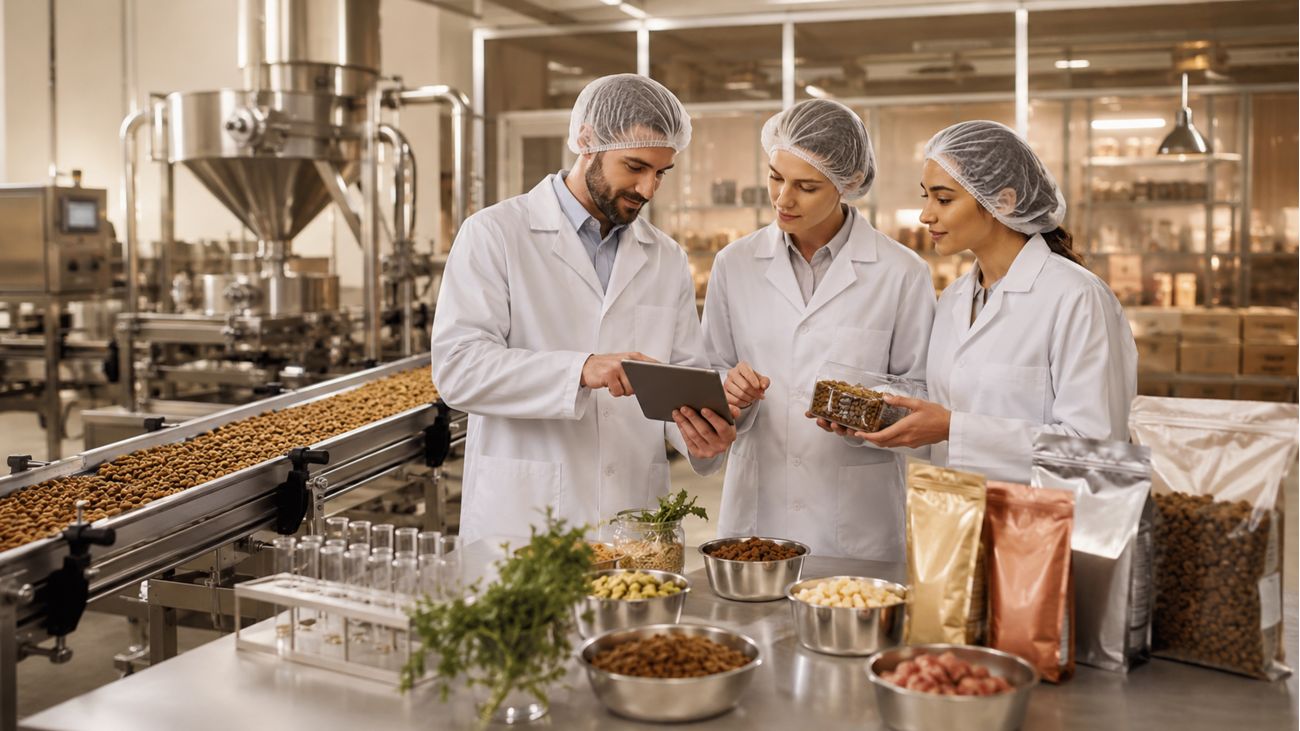
A pet food OEM manufacturer helps brands develop and produce pet food products under their own brand name. Instead of building a factory, managing production equipment, sourcing ingredients, and organizing every technical detail alone, brands can work with an experienced manufacturing partner that already has the knowledge, systems, and production capacity needed to bring pet food products to market.
For many pet food brands, distributors, retailers, and private label businesses, OEM cooperation is one of the most practical ways to launch or expand a product line. It allows the brand to focus on market strategy, branding, customer relationships, and sales, while the OEM manufacturer supports formulation, ingredient sourcing, production, quality control, packaging, and delivery preparation.
In today’s pet food industry, OEM manufacturing is not only about producing food. A strong OEM partner helps turn an idea into a safe, nutritious, consistent, and commercially attractive product that meets both brand expectations and market demand.
From Product Idea to Real Formula
One of the first responsibilities of a pet food OEM manufacturer is to support product formulation. A brand may come with a clear product idea, an existing formula, or only a general direction such as high-protein cat food, functional dog treats, grain-free recipes, sensitive digestion support, or premium daily nutrition.
The OEM manufacturer helps translate that idea into a practical formula. This includes selecting suitable protein sources, fats, carbohydrates, vitamins, minerals, fiber, palatability ingredients, and functional components. The formula must support nutritional goals, production feasibility, taste, texture, price positioning, and market expectations.
For pet food products, balance is essential. A product needs to be attractive to pets, trusted by pet owners, and realistic for production. This is where the technical knowledge of an OEM manufacturer becomes especially valuable.
Ingredient Sourcing and Supply Chain Support
Pet food quality starts with ingredients. An OEM manufacturer usually supports the sourcing and management of raw materials needed for production. This can include animal proteins, grains, starch sources, oils, vitamins, minerals, natural flavoring components, and functional ingredients depending on the product type.
Reliable sourcing helps maintain product consistency from batch to batch. The manufacturer evaluates suppliers, checks raw material quality, manages availability, and supports traceability. This is important because unstable ingredients can affect nutrition, texture, taste, color, shelf life, and overall product performance.
For brands working in different markets, supply chain support can also help reduce delays and improve planning. A strong OEM partner understands how ingredient availability, production schedules, packaging materials, and logistics all connect.
Manufacturing and Production Control
The main role of an OEM manufacturer is to produce the pet food according to the agreed formula and product specification. Depending on the product category, this may include extrusion, baking, drying, coating, filling, wet food processing, freeze-drying, or treat production.
During production, the manufacturer controls important technical factors such as temperature, moisture, pressure, mixing time, kibble shape, drying level, coating consistency, and packaging accuracy. These details directly affect the final product’s quality, appearance, texture, palatability, and shelf stability.
Modern pet food manufacturing requires experience and precision. Even small changes in processing can influence how the food performs, how it looks, how it smells, and how well pets accept it. That is why production control is a key part of OEM cooperation.
Private Label and Packaging Solutions
Many brands choose OEM manufacturing because they want pet food products under their own brand identity. In this case, the OEM manufacturer can support private label production and packaging preparation.
Packaging is more than a container. It protects the product from moisture, oxygen, light, and contamination, while also presenting the brand to customers. Depending on the project, packaging may include bags, pouches, boxes, tubs, sachets, or other formats suitable for the product type.
An OEM partner can help coordinate packaging size, material, labeling requirements, design direction, product information, and production compatibility. This allows brands to create products that are both visually professional and technically suitable for storage, transport, and sale.
Quality Control and Product Safety
Quality control is one of the most important responsibilities of a pet food OEM manufacturer. Every product should be produced under controlled conditions, with checks at different stages of the process.
Quality control may include raw material inspection, formula verification, in-process monitoring, moisture testing, microbiological checks, nutritional analysis, appearance control, packaging inspection, and finished product evaluation. These steps help ensure that each batch meets the agreed standards for safety, consistency, and performance.
For pet food brands, strong quality control protects reputation and builds trust. Customers expect pet food to be safe, stable, and reliable. A good OEM manufacturer helps reduce risks by applying structured procedures, traceability systems, and documented quality checks.
Compliance and Documentation Support
Pet food products often need to meet specific market, labeling, import, and safety requirements. An OEM manufacturer can support brands by preparing or coordinating relevant documentation related to production, ingredients, specifications, testing, and quality control.
This is especially important for brands working internationally. Different markets may have different expectations regarding labels, ingredients, nutrition information, product claims, and safety documentation. While the final responsibility depends on the brand and market regulations, an experienced OEM partner can provide important technical and production information needed for compliance preparation.
Why Brands Work with OEM Manufacturers
Working with a pet food OEM manufacturer can save time, reduce investment risk, and make product development more efficient. Brands do not need to build their own production facility, purchase equipment, hire large technical teams, or manage every supplier individually.
Instead, they gain access to manufacturing knowledge, established production systems, R&D support, quality control, packaging options, and scalable capacity. This allows them to launch products faster, test new ideas, expand product lines, and respond more quickly to market trends.
OEM cooperation is useful for new brands entering the pet food market, established companies expanding their range, retailers building private label lines, and distributors looking for customized products with reliable production support.
What Makes a Strong OEM Partner
A strong OEM manufacturer should offer more than basic production. The right partner should understand nutrition, product development, manufacturing technology, quality control, packaging, supply chain planning, and market expectations.
Clear communication is also essential. Brands need a partner that can explain production possibilities, discuss formula options, provide realistic timelines, and support each step from concept development to finished product. Trust, transparency, and technical reliability are key parts of a successful OEM relationship.
Building Better Pet Food Products with OEM Support
A pet food OEM manufacturer plays a central role in helping brands bring safe, nutritious, and market-ready products to customers. From formulation and ingredient sourcing to production, packaging, quality control, and documentation, the OEM partner supports the process behind the finished product.
For brands that want to grow in the pet food industry, working with an experienced OEM manufacturer can provide the technical foundation, production reliability, and product development support needed to build a stronger and more competitive product line.
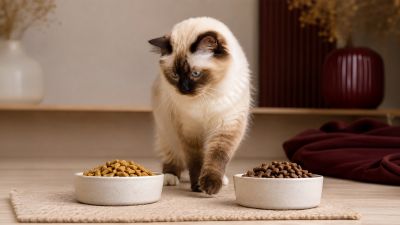
Learn how busy cat owners can choose cat food more confidently by understanding food types, nutrition labels, ingredient quality, processing methods, feeding routines, and each cat’s individual needs. This guide explains how to compare dry, baked, wet, and freeze-dried cat food in a practical, science-based way.

Learn what quality control really means in cat food production, from ingredient sourcing and raw material testing to clean manufacturing, laboratory checks, packaging, storage, and traceability. This guide helps cat owners better understand how safe, consistent, and reliable cat food is made before it reaches their pets.
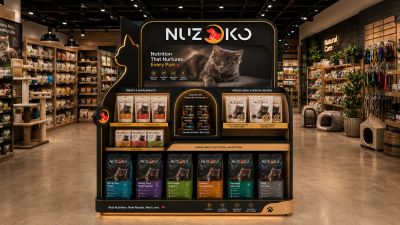
Learn how OEM capacity planning helps pet food brands organize production, manage demand, reduce delays, control costs, and build a more reliable supply chain. This guide explains how Nuzoko supports cat food and dog food projects through structured planning, flexible OEM / ODM cooperation, quality control, and scalable manufacturing support.