


How to Master OEM Capacity Planning with Nuzoko
Learn how OEM capacity planning helps pet food brands organize production, manage demand, reduce delays, control costs, and build a more reliable supply chain. This guide explains how Nuzoko supports cat food and dog food projects through structured planning, flexible OEM / ODM cooperation, quality control, and scalable manufacturing support.
Smarter Production Planning for Scalable Pet Food Growth
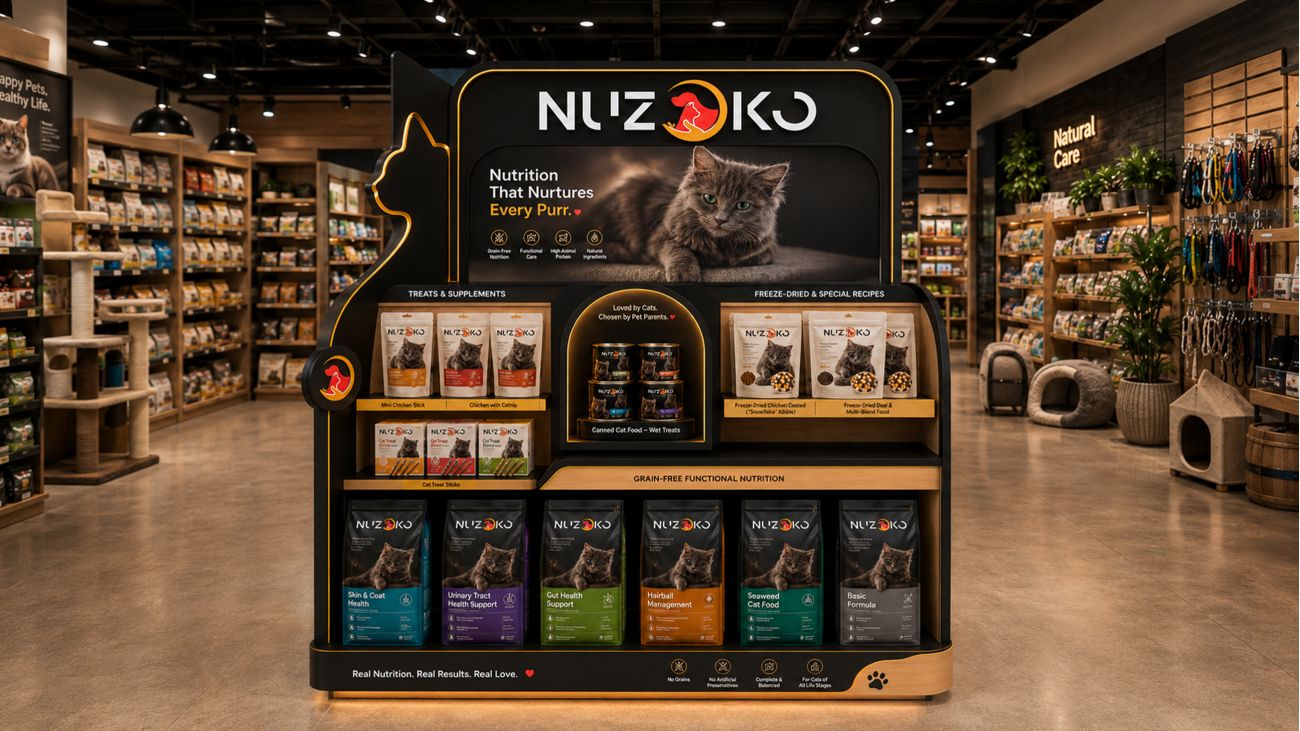
Smarter Planning for Reliable Pet Food Production
OEM capacity planning plays an important role in successful pet food manufacturing. For brands developing cat food, dog food, treats, snacks, or customized nutrition products, production capacity is not only about how much a factory can produce. It is also about how well production can be planned, adjusted, monitored, and delivered according to real market needs.
In the pet food industry, demand can change quickly. New product launches, seasonal sales, packaging updates, ingredient availability, and market expansion can all affect production schedules. Without proper planning, brands may face delays, unstable stock levels, higher costs, or missed sales opportunities. With the right OEM partner, capacity planning becomes a strategic advantage.
Nuzoko supports pet food brands by combining manufacturing experience, product development knowledge, quality control, and flexible production planning. This helps partners manage resources more effectively, respond to market changes, and build a more stable path for long-term growth.
What OEM Capacity Planning Means
Capacity planning is the process of understanding how much production output can realistically be achieved within a specific period. It includes evaluating machines, labor, raw materials, production lines, packaging capacity, quality control procedures, and delivery schedules.
For OEM pet food projects, this planning is especially important because each brand may have different requirements. One product may need a custom formula, another may require special packaging, while another may involve a new kibble shape, functional ingredient, or production format. Every detail can influence time, cost, and production flow.
Good capacity planning helps brands understand what is possible, when products can be made, how production should be scheduled, and what needs to be prepared before manufacturing begins. It creates a clearer connection between product development, production capability, inventory planning, and market demand.
Why Capacity Planning Matters for Pet Food Brands
For pet food brands, reliable production is essential. Customers expect products to be available when they need them, and business partners expect consistent delivery. If production capacity is not planned properly, even a strong product can face problems in the market.
Capacity planning helps reduce the risk of overproduction, stock shortages, delivery delays, and unnecessary production costs. It also helps brands make better decisions about launch timing, order quantities, packaging changes, promotional campaigns, and market expansion.
When a brand works with an experienced OEM manufacturer, capacity planning becomes part of the full cooperation process. Instead of simply placing an order, the brand can plan production in a more structured way, based on realistic timelines, available resources, quality requirements, and future growth expectations.
Key Factors in OEM Capacity Planning
Several factors influence manufacturing capacity in pet food production. One of the most important is equipment availability. Different product types may require different processing methods, such as extrusion, baking, filling, drying, coating, or packaging. Each process has its own production rhythm and capacity limits.
Labor and technical expertise are also important. Skilled teams are needed to manage production lines, monitor quality, handle raw materials, adjust formulas, and solve technical challenges. Ingredient availability can also affect planning, especially when products include specific proteins, functional ingredients, or customized nutritional components.
Packaging is another major factor. Bag sizes, label requirements, packaging materials, printing timelines, and export documentation can all influence the overall schedule. For brands working across international markets, capacity planning must also consider logistics, compliance, and delivery expectations.
Using Data to Improve Production Decisions
Modern capacity planning relies on accurate data. Manufacturers need to understand production output, machine performance, downtime, ingredient usage, packaging flow, quality results, and delivery timelines. This information helps identify where production is working well and where improvements are needed.
By tracking production data, an OEM partner can identify bottlenecks before they become serious problems. For example, a delay may come from ingredient preparation, drying time, packaging availability, or quality inspection. Once the cause is identified, the production plan can be adjusted more effectively.
Data-based planning also helps brands make smarter decisions about order size, production frequency, inventory levels, and future product development. Instead of guessing, brands can plan based on real production conditions and market needs.
Lead, Lag and Match Strategies
OEM capacity planning often uses three main approaches: lead, lag, and match strategies. A lead strategy means preparing additional capacity before demand increases. This can be useful for fast-growing brands, product launches, or seasonal sales periods.
A lag strategy means increasing capacity only after demand has already grown. This approach can help control costs, but it may create risks if demand rises faster than expected. A match strategy is a more flexible approach, where capacity is adjusted gradually based on changing demand.
For many pet food brands, the best approach depends on product type, market maturity, budget, sales forecast, and supply chain stability. Nuzoko can help partners evaluate these options and choose a planning model that fits their business goals.
How Nuzoko Supports OEM and ODM Projects
Nuzoko supports OEM and ODM pet food projects with flexible development and production solutions. For brands with existing formulas, Nuzoko can provide manufacturing support based on defined specifications. For brands that need new products, the team can assist with formulation, ingredient selection, product testing, packaging direction, and scalable production planning.
This integrated support is especially valuable for brands that want to expand product lines, enter new markets, or develop customized nutrition products. By connecting R&D, production, quality control, and capacity planning, Nuzoko helps make the full process more organized and reliable.
Whether the project involves dry food, wet food, baked products, center-filled kibble, functional treats, or customized snacks, proper planning helps ensure that each stage is aligned with the brand’s expectations and commercial goals.
Building a More Stable Supply Chain
Capacity planning is closely connected to supply chain stability. A strong production plan helps coordinate raw materials, packaging, inventory, production schedules, quality checks, and delivery timelines. This reduces waste, improves efficiency, and helps brands respond more confidently to changing market conditions.
For pet food brands, a stable supply chain supports customer trust. When products are delivered consistently and quality remains stable, brands can build stronger relationships with retailers, distributors, and end consumers.
A Smarter Path to Pet Food Brand Growth
Mastering OEM capacity planning is not only about producing more. It is about producing better, planning smarter, and building a more reliable foundation for growth. With proper planning, brands can reduce risks, improve efficiency, control costs, and bring products to market with greater confidence.
With manufacturing knowledge, flexible OEM / ODM support, quality control, and structured production planning, Nuzoko helps pet food brands turn ideas into scalable, market-ready products.

Learn how busy cat owners can choose cat food more confidently by understanding food types, nutrition labels, ingredient quality, processing methods, feeding routines, and each cat’s individual needs. This guide explains how to compare dry, baked, wet, and freeze-dried cat food in a practical, science-based way.

Learn what a pet food OEM manufacturer actually does, from product formulation and ingredient sourcing to production, packaging, quality control, documentation, and private label support. This guide explains how OEM manufacturing helps pet food brands develop safe, nutritious, consistent, and market-ready products without building their own factory.

Learn what quality control really means in cat food production, from ingredient sourcing and raw material testing to clean manufacturing, laboratory checks, packaging, storage, and traceability. This guide helps cat owners better understand how safe, consistent, and reliable cat food is made before it reaches their pets.