

Cat Food quality control secrets every owner should know
Learn what quality control really means in cat food production, from ingredient sourcing and raw material testing to clean manufacturing, laboratory checks, packaging, storage, and traceability. This guide helps cat owners better understand how safe, consistent, and reliable cat food is made before it reaches their pets.
What Responsible Cat Food Quality Checks Really Include
Why Cat Food Quality Control Matters
Quality control is one of the most important parts of producing safe and reliable cat food. For cat owners, it is not always easy to see what happens before a product reaches the shelf, but every step behind the scenes can influence a cat’s health, digestion, energy, and daily well-being.
Good cat food is not only about attractive packaging or a long ingredient list. It depends on controlled sourcing, careful formulation, clean production, laboratory testing, proper packaging, and full traceability. When these systems work together, they help ensure that each batch of cat food is safe, nutritionally balanced, consistent, and suitable for everyday feeding.
For brands and manufacturers, quality control is a responsibility. For pet owners, it is a reason to trust the food they choose for their cats.
Quality Begins with Ingredient Sourcing
The quality of cat food starts long before production begins. It starts with the ingredients. A reliable manufacturer works with carefully selected suppliers and checks raw materials before they enter the production process.
Ingredient sourcing matters because cats have specific nutritional needs. They require high-quality protein, essential amino acids such as taurine, fats, vitamins, minerals, and other nutrients that support normal body function. If raw materials are inconsistent, contaminated, or poorly handled, the final product can be affected.
Strong supplier control includes checking supplier reliability, reviewing raw material standards, testing incoming ingredients, and keeping clear records. This helps reduce risks and supports stable product quality from batch to batch.
Testing Ingredients Before Production
Before ingredients are used in cat food, they should be tested for safety and nutritional value. This may include checks for protein, fat, moisture, vitamins, minerals, microbiological safety, heavy metals, and possible toxins such as mycotoxins.
These tests help protect cats from ingredients that may be unsafe or unsuitable. They also help manufacturers confirm that the recipe can meet its intended nutritional profile. When ingredient testing is done properly, it becomes one of the first barriers against quality problems.
For pet owners, this means that a trustworthy brand should be able to explain how it controls its ingredients and how it ensures that raw materials meet defined standards before production begins.
Clean and Controlled Manufacturing
Manufacturing control is another key part of cat food safety. During production, ingredients are mixed, processed, shaped, cooked, dried, coated, packed, or prepared depending on the product type. Each of these steps must be managed carefully.
Temperature, moisture, pressure, processing time, equipment cleanliness, and product handling all affect the final result. If moisture is too high, shelf life can be reduced. If drying is uneven, product stability may be affected. If hygiene is not controlled, contamination risks can increase.
Modern cat food production uses process monitoring, trained staff, hygiene procedures, and quality checks to keep production consistent. Clean equipment, controlled production areas, sanitation routines, and worker training all help create safer food for cats.
Laboratory Testing and Batch Approval
Reliable cat food production does not end when the food is made. Finished products should be tested before they are released. Laboratory checks may include nutritional analysis, microbiological testing, moisture control, appearance checks, texture evaluation, and packaging inspection.
Batch approval is the process of confirming that a product meets the required standards before it is sent to the market. This helps ensure that every batch matches the agreed formula, quality level, and safety requirements.
For cat owners, this is important because consistency matters. A cat food product should not change unexpectedly from one bag to another. Strong batch control helps maintain the same nutritional profile, smell, texture, appearance, and feeding experience over time.
Packaging, Storage and Freshness
Packaging plays a larger role in cat food quality than many people realize. It protects food from moisture, oxygen, light, pests, and contamination. If packaging is weak, damaged, poorly sealed, or not suitable for the product, the food can lose freshness or become unsafe.
Good packaging should be properly sealed, clearly labeled, and suitable for storage and transport. Batch numbers, production dates, expiration dates, and product information should be easy to find. These details support transparency and help with product tracking if any issue occurs.
After purchase, pet owners also play a role in keeping cat food fresh. Dry cat food should be stored in a cool, dry place, away from direct sunlight and moisture. Keeping the food in its original bag or in an airtight container can help protect aroma, texture, and nutritional quality.
Traceability and Recall Readiness
Traceability means being able to follow a product from raw materials through production, packaging, storage, and distribution. This is important because if a quality concern appears, the manufacturer must be able to identify the affected batch quickly.
A strong traceability system includes supplier records, ingredient batch numbers, production records, testing results, packaging information, and distribution details. This allows manufacturers and brands to respond faster and more responsibly if a product issue needs investigation.
For pet owners, visible batch numbers and clear product information are signs of a more organized quality system. They show that the product can be traced and managed if needed.
How Cat Owners Can Recognize Quality Food
Cat owners can look for several signs when choosing cat food. A clear ingredient list, nutritional statement, batch number, expiration date, feeding guidelines, and transparent product information are all useful indicators.
It is also important to check whether the food is designed to be complete and balanced, especially if it is used as a daily diet. Cats need specific nutrients, so food should be formulated with their needs in mind rather than simply following general pet food trends.
Pet owners should be careful with unclear labels, missing nutritional information, damaged packaging, unusual smell, visible mold, sudden texture changes, or products from brands that do not provide basic quality information.
Quality Control Builds Trust
Quality control is not one single step. It is a complete system that includes ingredient sourcing, supplier checks, production control, hygiene, laboratory testing, packaging inspection, storage protection, and traceability.
When cat food is made under strong quality standards, it gives pet owners more confidence and helps brands build long-term trust. Safe, consistent, and well-tested food supports better feeding experiences and helps protect the health and well-being of cats.
For every cat owner, understanding quality control makes it easier to choose food with confidence — and for every responsible manufacturer, quality control is the foundation of better pet nutrition.
Learn how busy cat owners can choose cat food more confidently by understanding food types, nutrition labels, ingredient quality, processing methods, feeding routines, and each cat’s individual needs. This guide explains how to compare dry, baked, wet, and freeze-dried cat food in a practical, science-based way.

Learn what a pet food OEM manufacturer actually does, from product formulation and ingredient sourcing to production, packaging, quality control, documentation, and private label support. This guide explains how OEM manufacturing helps pet food brands develop safe, nutritious, consistent, and market-ready products without building their own factory.
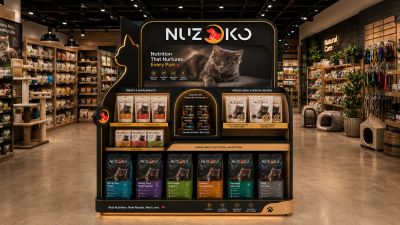
Learn how OEM capacity planning helps pet food brands organize production, manage demand, reduce delays, control costs, and build a more reliable supply chain. This guide explains how Nuzoko supports cat food and dog food projects through structured planning, flexible OEM / ODM cooperation, quality control, and scalable manufacturing support.