

How Is Dry Cat Food Produced in 2026
Learn how dry cat food is produced in 2026, from ingredient selection and precise formulation to extrusion, drying, coating, quality control, and final packaging. This guide explains the key production steps that help create safe, nutritious, consistent, and appealing dry food for cats.
Inside the Modern Dry Cat Food Manufacturing Process
From Ingredients to Finished Kibble
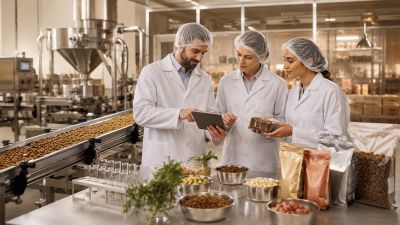
Dry cat food production in 2026 is a highly controlled process that combines nutritional science, ingredient selection, advanced manufacturing technology, and strict quality checks. Modern dry cat food is not simply mixed and packed; it is carefully developed to deliver balanced nutrition, consistent texture, good palatability, and reliable safety from the first stage of production to the final packaged product.
For pet food brands, understanding how dry cat food is produced helps explain why formulation, ingredient quality, processing methods, and factory control all matter. Every step affects the final product — from the nutritional value and digestibility to kibble shape, aroma, shelf life, and feeding experience.
Ingredient Selection and Raw Material Control
The production process begins with the selection of raw materials. High-quality dry cat food usually includes animal protein sources, fats, carbohydrates, vitamins, minerals, fiber, and functional ingredients depending on the recipe. For cats, protein quality is especially important because they are obligate carnivores and require animal-based nutrients to support daily health and vitality.
Before production begins, ingredients are inspected and stored under controlled conditions. Moisture control is particularly important because excess humidity can affect freshness, stability, and shelf life. Modern facilities use organized raw material handling systems to help protect ingredients from contamination, spoilage, and unnecessary quality loss.
Reliable manufacturers also apply traceability systems, allowing raw materials to be tracked throughout the production process. This supports quality control, regulatory compliance, and customer confidence, especially for brands working in international markets.
Grinding, Weighing and Mixing
Once raw materials are approved, they are prepared for processing. Ingredients are usually ground to the required particle size, helping create a more uniform mixture and supporting consistent kibble texture. Proper grinding also improves the way ingredients combine during mixing and extrusion.
After grinding, the ingredients are accurately weighed according to the formula. Precision at this stage is essential because even small changes can affect the nutritional profile of the finished food. Proteins, grains or starch sources, minerals, vitamins, fats, and other components must be balanced according to the intended recipe.
The ingredients are then mixed into a uniform blend. In modern production, moisture, texture, and consistency may be monitored during mixing to ensure the material is ready for the next stage. A well-prepared mixture supports stable extrusion, even cooking, and consistent final quality.
Conditioning and Extrusion
Conditioning is the stage where the mixed ingredients are exposed to controlled heat, moisture, and mechanical energy before extrusion. This helps prepare the dough-like mixture for shaping and cooking. The goal is to improve texture, support starch gelatinization, and create a structure that can be formed into kibble.
Extrusion is one of the most important steps in dry cat food manufacturing. During extrusion, the conditioned mixture is pushed through a die that shapes the kibble. The choice of equipment, temperature, pressure, moisture, and die design all influence the size, density, expansion, and texture of the final product.
Advanced extrusion systems allow manufacturers to create different kibble shapes and textures for specific product concepts. For cats, kibble must be easy to chew, appealing in shape, and consistent in structure. Good extrusion control helps ensure that each piece of kibble performs as expected in both nutrition and eating experience.
Drying, Cooling and Moisture Stability
After extrusion, the kibble contains more moisture than is suitable for long-term storage. It must be carefully dried to reach the correct moisture level. Drying is a critical stage because too much moisture can reduce shelf life, while excessive heat or poor control can affect product quality.
Modern drying systems are designed to remove moisture evenly while protecting the structure and performance of the kibble. The goal is to create a product that is stable, safe, and consistent from batch to batch.
Once dried, the kibble is cooled before coating and packaging. Cooling helps stabilize the product and prevents condensation inside the packaging. This step supports freshness, texture, and storage quality.
Coating, Flavoring and Palatability
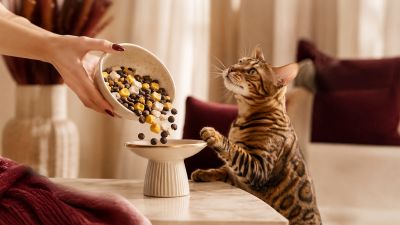
Palatability is essential in cat food. Even a nutritionally complete product must be attractive enough for cats to eat consistently. After drying and cooling, kibble is often coated with fats, flavor enhancers, or palatability ingredients to improve aroma, taste, and feeding acceptance.
Precision coating helps ensure that each kibble receives even coverage. This improves product consistency and helps reduce waste. For brands, coating is also an important part of product differentiation, as aroma and taste can strongly influence repeat purchase and customer satisfaction.
Testing and Quality Control
Quality control is present throughout the entire production process. Ingredients may be tested before use, the formula is checked during preparation, and the finished product is inspected before release. Testing can include nutritional analysis, moisture checks, microbiological safety, texture evaluation, appearance control, and packaging inspection.
For dry cat food, consistency is one of the most important signs of a reliable manufacturing process. Brands need every batch to match the agreed specification, including kibble size, nutrient levels, aroma, color, texture, and shelf stability.
Packaging and Final Product Protection
Packaging protects the finished food from moisture, oxygen, light, and contamination. It also communicates product information to consumers, including feeding instructions, ingredients, claims, and storage guidance.
Modern packaging lines may include automated weighing, sealing, coding, inspection, and quality checks. The goal is to ensure that every package is correctly filled, sealed, labeled, and ready for storage, transport, and sale.
Why the Process Matters
Dry cat food production in 2026 is a combination of science, technology, and responsibility. Each stage — from ingredient selection and formulation to extrusion, drying, coating, testing, and packaging — plays a role in creating food that is safe, nutritious, stable, and enjoyable for cats.
For pet food brands, working with an experienced manufacturer means gaining access to technical knowledge, reliable production systems, quality control, and product development support. A strong manufacturing process helps create dry cat food that meets market expectations, supports pet well-being, and builds long-term trust with customers.
Learn how busy cat owners can choose cat food more confidently by understanding food types, nutrition labels, ingredient quality, processing methods, feeding routines, and each cat’s individual needs. This guide explains how to compare dry, baked, wet, and freeze-dried cat food in a practical, science-based way.
Learn what a pet food OEM manufacturer actually does, from product formulation and ingredient sourcing to production, packaging, quality control, documentation, and private label support. This guide explains how OEM manufacturing helps pet food brands develop safe, nutritious, consistent, and market-ready products without building their own factory.
Learn what quality control really means in cat food production, from ingredient sourcing and raw material testing to clean manufacturing, laboratory checks, packaging, storage, and traceability. This guide helps cat owners better understand how safe, consistent, and reliable cat food is made before it reaches their pets.